Most leasing packages get skimmed. Research-grade trade area studies get read — because they answer the question a retailer's real estate committee is going to ask anyway: *what will a store here actually do?* We help South Carolina shopping center owners attract and keep the right tenants by leading with the research that proves the center, not just the space.

A space that has sat too long usually isn't a pricing problem. It is an evidence problem. In our experience there are three causes, and all three are fixable.
The space is being marketed to the wrong tenant. The trade area supports a different use than the one on the flyer. Until the leasing strategy matches what the corridor can actually carry, the right prospect never gets a reason to look.
The package leads with the asset instead of the trade area. Retailers' real estate committees underwrite the customer base, not the building. A leasing package that opens with square footage and a site plan — and no defensible read on the trade area — gives them nothing to approve.
The center is chasing a tenant universe that has moved on. Across South Carolina, demand has shifted toward off-price apparel, specialty and ethnic grocery, health and wellness, value QSR, and experiential formats. A rent roll built for the previous cycle keeps marketing to tenants who are no longer expanding.

We build the trade area study a national tenant's committee would run on your center themselves — drive times, competitive context, daytime population, and demand profile. Handed a credible trade area read, a prospect's real estate team can say yes faster, because you have already answered their first three questions.
For a target tenant, we can model what a store at your center would actually sell, using the same gravity-model approach grocers use internally — historically within roughly 5 percent of actual performance. A forecast turns "we think this works" into evidence.
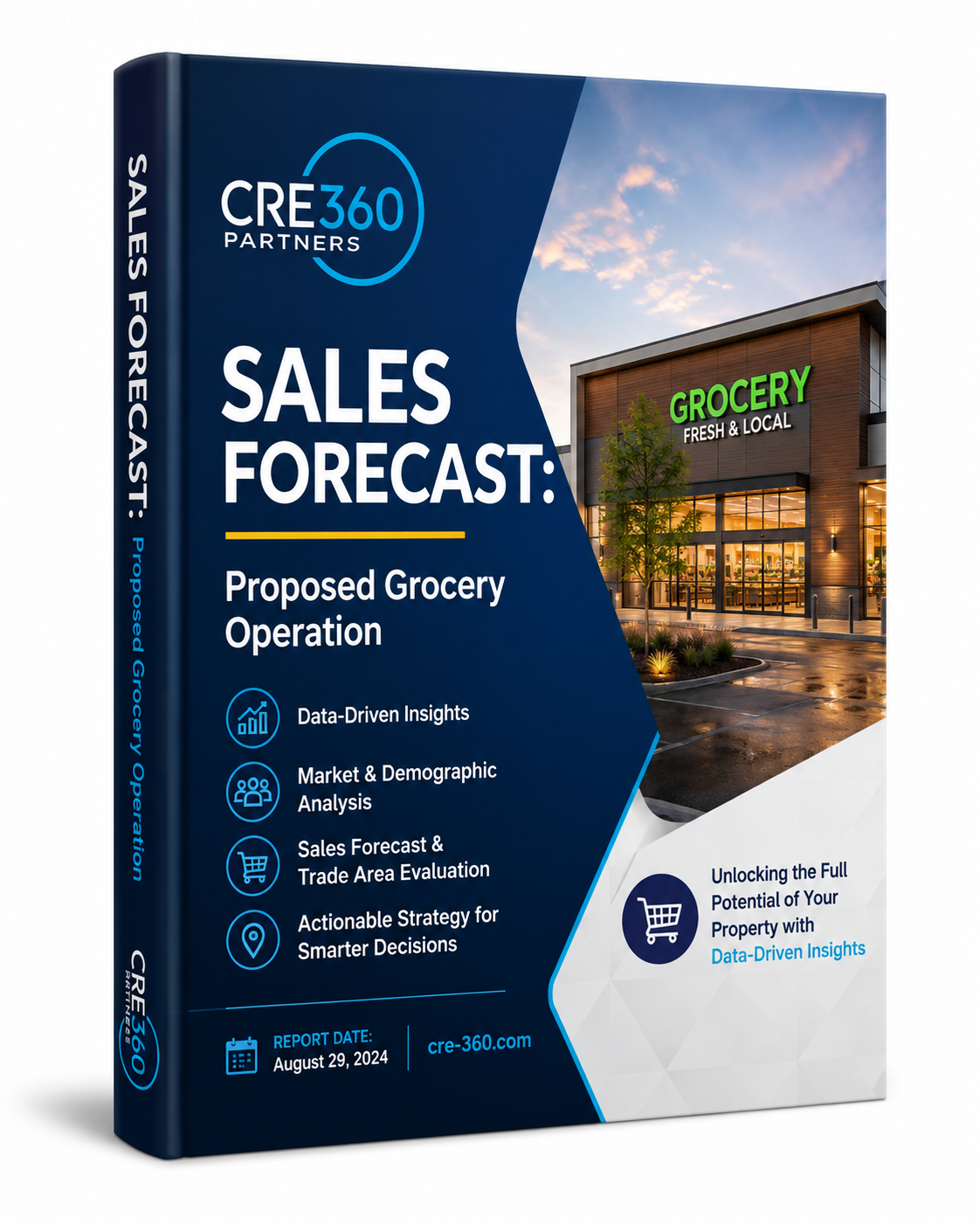

For owners with multiple South Carolina assets, we assess the whole portfolio against current market conditions — which centers are positioned correctly, which are exposed, and where the leasing upside actually is.
When the merchandising mix no longer fits the trade area, we help reposition the asset around what the market will support today — including grocery-anchored repositioning, where the right anchor changes the economics of the entire center. See how we approached exactly that in our case study on strategic property positioning for grocery retailers.
Our research and transaction practices work the problem together — the study makes the case, and our transaction team executes the lease.
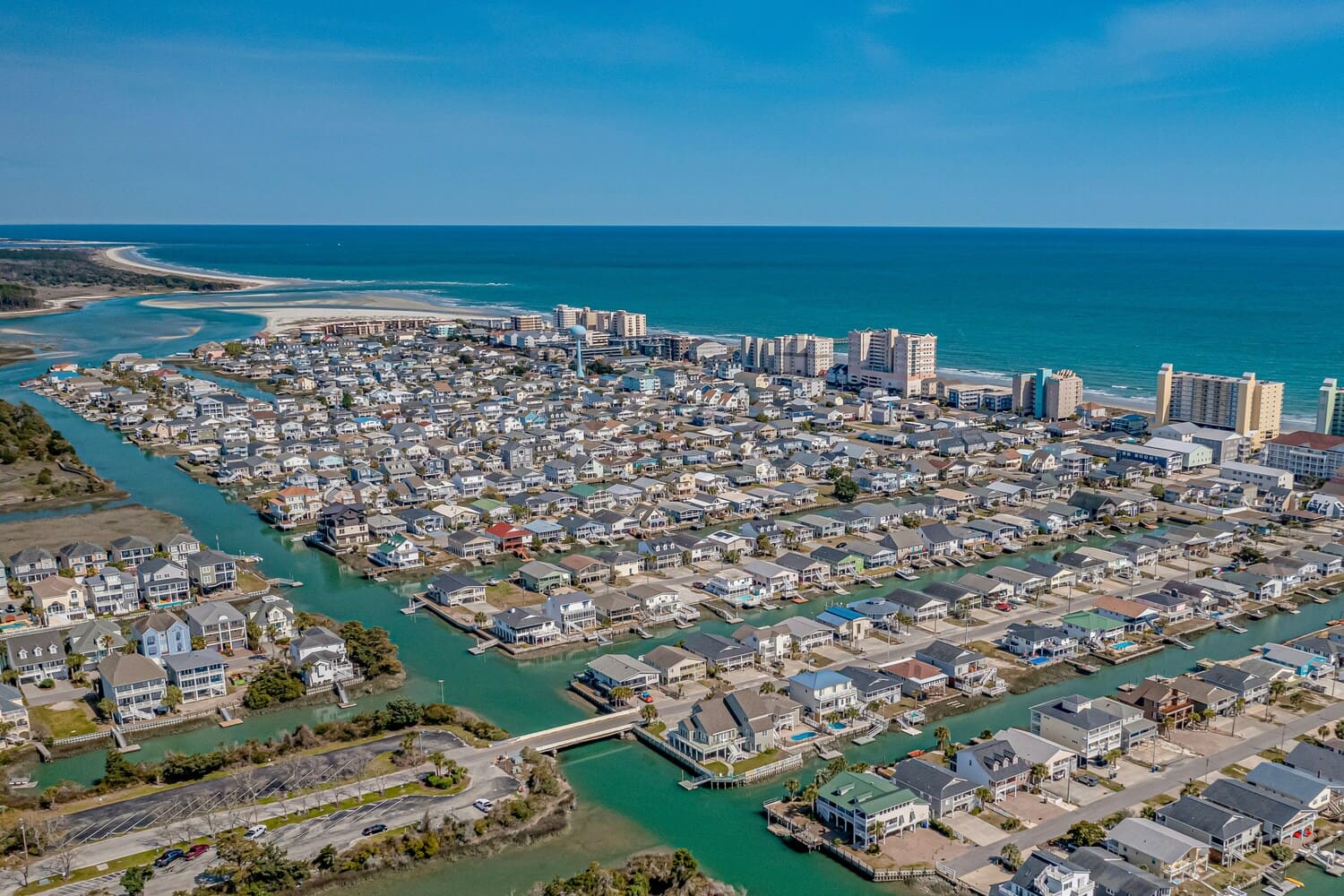
Updated June 2026 — South Carolina's retail demand is real but uneven, and that unevenness is the landlord's opportunity. The Lowcountry and the I-77 corridor are absorbing rooftops faster than supply is being repositioned, which means well-located centers with the wrong merchandising mix are leaving rent on the table. Meanwhile, anchor movement — grocery realignment, big-box backfills — is opening windows to re-anchor and re-tenant centers that looked static a year ago.
The owners winning right now are treating leasing as a research problem, not just a marketing one. When you can hand a prospect a defensible trade area read and a credible sales projection, you stop competing on concessions and start competing on evidence.
We work with private owners, regional operators, and institutional landlords holding retail across South Carolina — from a single neighborhood center with a stubborn vacancy to a multi-asset portfolio that needs a positioning review. One of our engagements has included leasing research for one of the largest grocery-anchored shopping center owners in the country; another, repositioning work that helped re-tenant a center around a stronger anchor. The throughline is research-led leasing.
Start the Conversation →

As Business Development Director at CRE-360, Sarah applies a results-driven, collaborative approach to driving growth, strengthening client relationships, and expanding new business opportunities. Sarah brings 18+ years of diversified real estate experience. Holding an MRED from George Mason University and her broker licenses in both Virginia and Florida, she has led brokerage operations, managed multifamily and commercial assets, and supported national brands with market research, site selection, and leasing strategy.
© 2026 CRE360 Partners. All rights reserved.
.png)