We produce research-grade retail market analysis across South Carolina: trade area studies, sales forecasts, market validation, and feasibility work built on the same methodology national retailers and grocers use to underwrite their own locations. Not a demographic summary — a defensible answer to the question your real estate committee is actually asking.

Trade area analysis.
We define the real trade area for a site — not a five-mile ring — using drive times, physical and competitive barriers, daytime population, and the traffic patterns that actually govern where customers come from. In a state as geographically varied as South Carolina, that distinction matters: a Lowcountry trade area shaped by rivers and bridges behaves nothing like an Upstate corridor along I-85.
Sales forecasting via gravity model.
This is the core of what we do. We model how a trade area's demand distributes across competing stores and project what a specific location will actually sell — the same gravity-model approach grocers run internally. Our forecasts have historically landed within roughly 5 percent of actual store performance.
Market validation and feasibility studies.
Before you commit capital to a South Carolina site, we pressure-test it: competitive saturation, cannibalization risk, void analysis, and whether the corridor can support the format. The output is a decision, not a data dump.
Portfolio reviews and field casing.
For owners and operators with multiple South Carolina locations, we assess the portfolio against current market conditions. And because no model substitutes for the ground, we physically case markets — verifying competitors, co-tenancy, access, and conditions a desktop study will miss.
You can read more about our research methodology or go deeper on grocery feasibility.
Our methodology combines proprietary forecasting platforms with field-based market research. The platforms give us a starting point — population, demographics, traffic patterns, competitive density, trade area boundaries — but the real work happens in the markets themselves. We physically walk centers, evaluate co-tenancy, and validate the assumptions the data makes about how customers actually behave.
For grocery clients specifically, our sales forecasting work draws on a third-party platform used by 85–90% of major grocers. We've built models for stores that are now operating, and we've been within roughly 5% of actual sales on most of them. Grocery margins don't allow for much error, and the forecasting discipline reflects that.
The same rigor applies to non-grocery retail. We've built trade area analyses for tenants ranging from sub shops to specialty footwear, and our work supports landlord positioning, retailer expansion, and municipal retail recruitment efforts.
The clearest way to understand our research is to read one. Our sample sales forecast walks through the methodology end to end — trade area definition, competitive modeling, and the projection logic behind the number.
Download a Sample Sales Forecast →
Updated June 2026 — South Carolina's growth has outrun a lot of the data retailers rely on. Sustained in-migration into the Lowcountry and the Charlotte-adjacent York County corridor means the demographic files lag what is actually on the ground, and standard radius screens consistently under-read the fastest-growing submarkets — Summerville and Nexton, Fort Mill and Tega Cay, Bluffton, and the Greer–Simpsonville stretch of the Upstate.
That lag is exactly where research earns its keep. A site that screens as marginal on last year's data can underwrite cleanly once the trade area is drawn correctly and current rooftops and traffic are accounted for — and vice versa. The operators getting South Carolina right are the ones validating before they commit, not after.
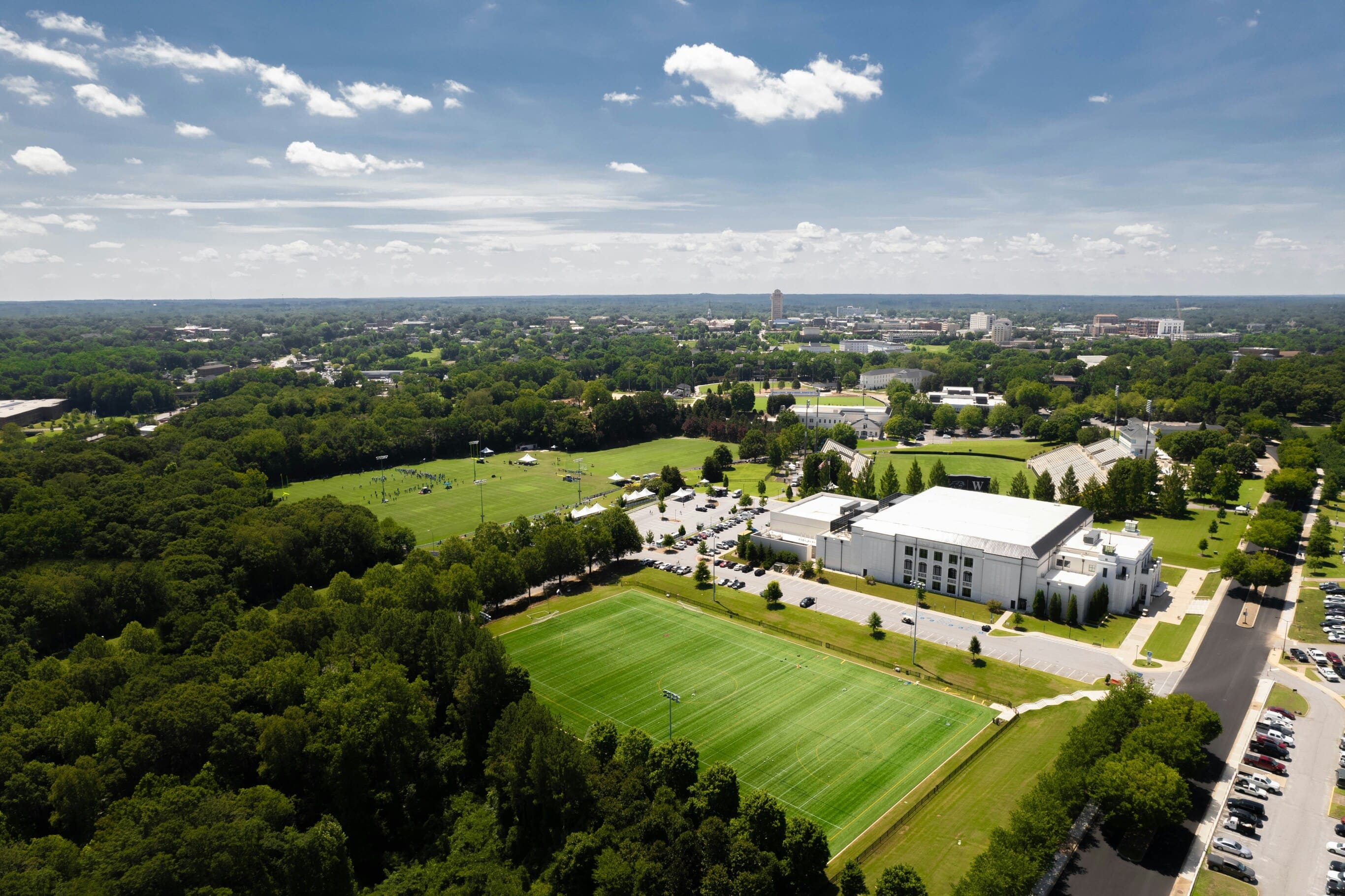

We deliver research for retailers and franchise systems deciding where to open, developers underwriting grocery-anchored and multi-tenant projects, and landlords assessing what their South Carolina centers can support. Some clients commission a single site study; others bring a market or a portfolio. The methodology is the same either way.
Request a Study →

As Business Development Director at CRE-360, Sarah applies a results-driven, collaborative approach to driving growth, strengthening client relationships, and expanding new business opportunities. Sarah brings 18+ years of diversified real estate experience. Holding an MRED from George Mason University and her broker licenses in both Virginia and Florida, she has led brokerage operations, managed multifamily and commercial assets, and supported national brands with market research, site selection, and leasing strategy.
© 2026 CRE360 Partners. All rights reserved.
.png)